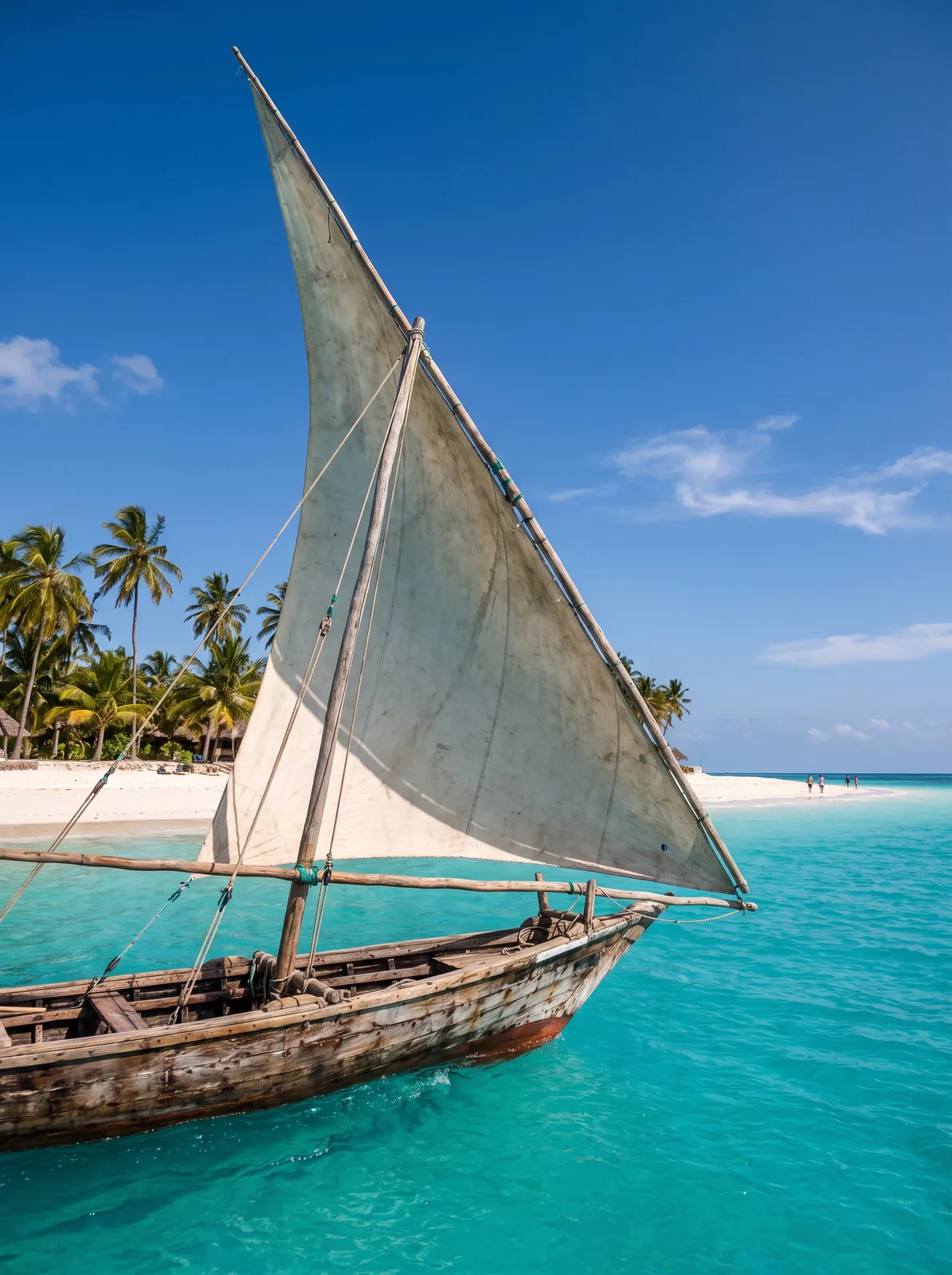
Planning travel health for Zanzibar and Tanzania
A Zanzibar beach week, a Serengeti safari and a Kilimanjaro climb are often combined, and each leg has its own considerations. We start from your full itinerary at your South London Clinic consultation.
Malaria
Malaria is a significant risk in Zanzibar and across much of mainland Tanzania, and antimalarial tablets are frequently recommended; high-altitude areas such as the upper slopes of Kilimanjaro are lower risk. The WHO notes malaria remains a leading cause of illness in sub-Saharan Africa, and we check the TravelHealthPro Tanzania advice against your route.
Yellow fever and certificates
Tanzania is not itself a yellow fever risk area for most travellers, but it requires a yellow fever certificate from travellers arriving from a country with risk, including many African and South American routes, and this can apply to Zanzibar entry from the mainland. We confirm your exact routing; where a certificate is needed, we direct you to a NaTHNaC-designated centre, as South London Clinic is not one.
The other vaccines
Hepatitis A and typhoid come up for most travellers, with rabies for rural or long trips and hepatitis B for longer stays, plus a routine vaccine check.
When to book
Six to eight weeks where possible, given malaria tablets and any certificate needs.
Common questions
Q: Do I need malaria tablets for Zanzibar?
A: Often yes, as malaria is a real risk in Zanzibar and mainland Tanzania. We check your route.
Q: Do I need a yellow fever certificate?
A: Tanzania requires one from travellers arriving from a risk country, including some routings to Zanzibar. We confirm yours.
Q: Which vaccines for Zanzibar and Tanzania?
A: Hepatitis A and typhoid for most, plus rabies and hepatitis B for longer or rural trips.