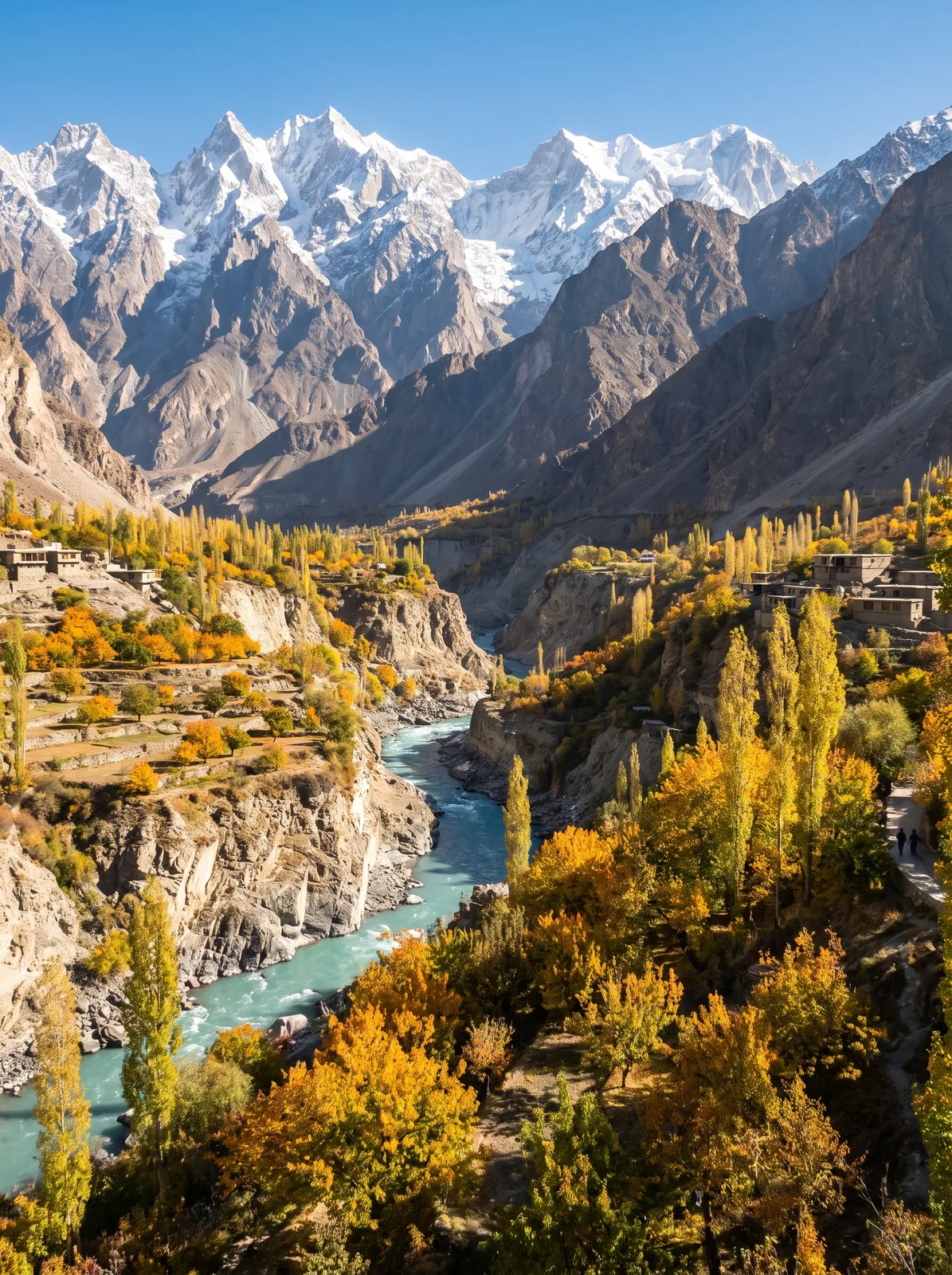
Planning travel health for Pakistan
Karachi and Lahore, rural Sindh and Punjab, and the northern mountains are different pictures, and how you travel shapes what you need. We start from your itinerary at your South London Clinic consultation.
Polio
Pakistan is one of the few countries where wild poliovirus still circulates, and the WHO tracks ongoing polio transmission there. A polio booster is important, and Pakistan can require proof of polio vaccination for travellers leaving the country after a stay, so we make sure your cover and any certificate are sorted.
The other vaccines
Hepatitis A and typhoid come up for nearly all travellers because both spread through food and water, with the highest typhoid risk in South Asia. Hepatitis B, Japanese encephalitis and rabies come in for longer, rural or repeated trips, plus a check of routine tetanus, diphtheria and MMR cover.
Mosquitoes and malaria
Malaria is present in many parts of Pakistan, mainly lower-lying rural and some urban areas rather than the high north; the TravelHealthPro Pakistan advice sets out where, which we check. Dengue occurs, especially after the monsoon, so bite avoidance matters.
When to book
Six to eight weeks where possible, given polio timing and any malaria tablets.
Common questions
Q: Do I need a polio booster for Pakistan?
A: Yes, it is important, and a certificate may be required on leaving. We sort your cover.
Q: Do I need malaria tablets for Pakistan?
A: For many lower-lying areas, often yes; the high north is lower risk. We check your route.
Q: Which vaccines for Pakistan?
A: Hepatitis A and typhoid for nearly all, plus polio, and hepatitis B, JE and rabies for longer or rural trips.