Planning travel health for Nepal
Kathmandu, a Terai safari and an Everest or Annapurna trek are different pictures, and altitude in particular shapes planning. We start from your route and season at your South London Clinic consultation.
Altitude
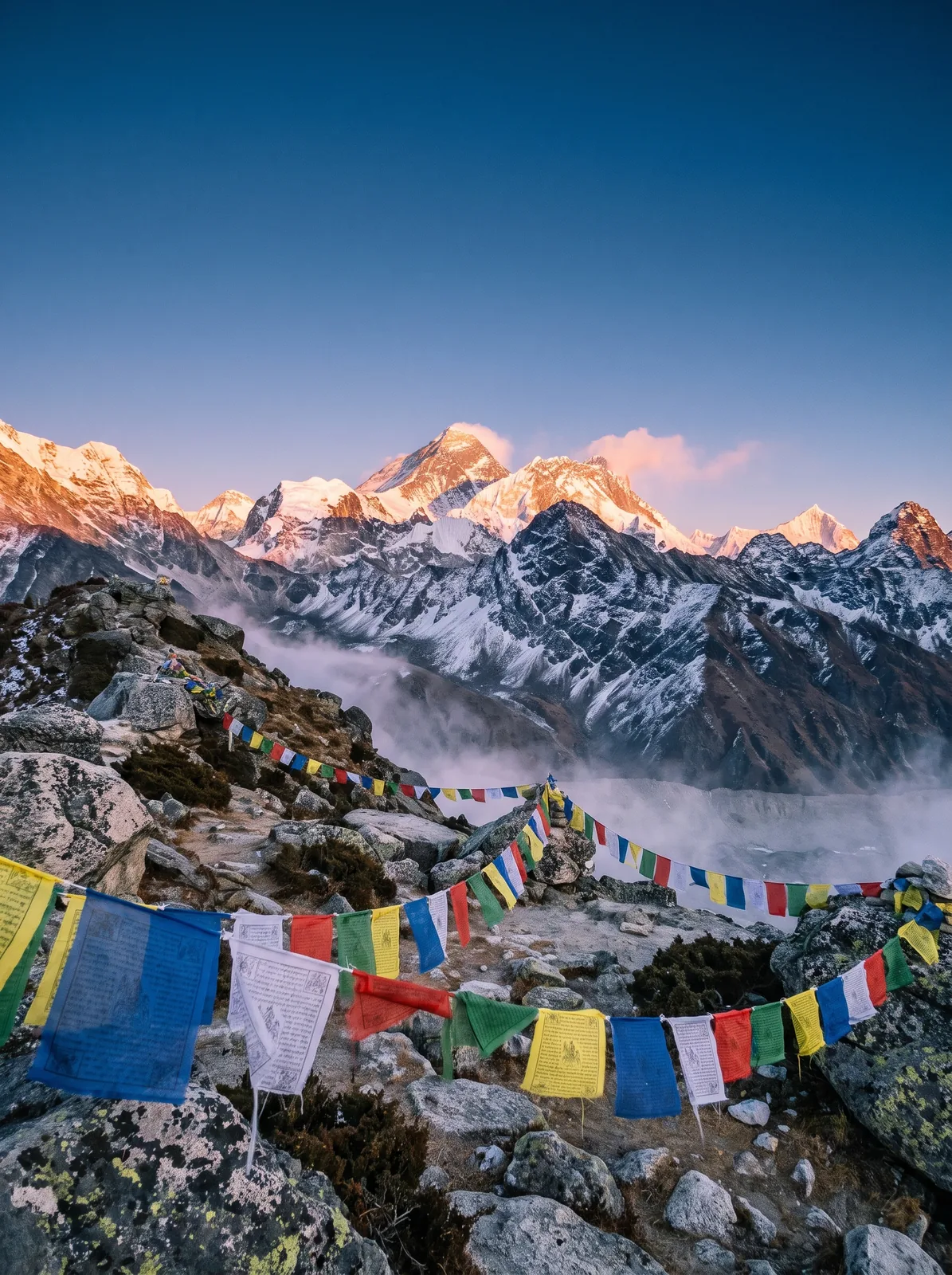
Altitude is the defining Nepal consideration: popular treks cross 4,000 to 5,500 metres, and acute mountain sickness is a real risk without sensible acclimatisation. We will talk through ascent profiles, symptoms to watch, and options as part of your plan, and the NHS has clear altitude-sickness guidance we draw on.
The vaccines usually in the conversation
Hepatitis A and typhoid come up for nearly all travellers because both spread through food and water, with the highest typhoid risk in South Asia. Rabies is a real consideration given limited treatment access on trek, and Japanese encephalitis for longer lowland Terai stays, plus a routine vaccine check.
Mosquitoes and malaria
Malaria risk is limited to the southern Terai lowlands rather than Kathmandu or the mountains; the TravelHealthPro Nepal advice sets out where, which we check. Dengue occurs in lowland areas in the warmer months.
When to book
Six to eight weeks ahead where possible so any courses can be completed.
Common questions
Q: Is altitude a concern in Nepal?
A: Yes, the main one for trekkers; we cover acclimatisation and what to watch for.
Q: Do I need malaria tablets for Nepal?
A: Only for the southern Terai lowlands, not Kathmandu or the mountains. We check your route.
Q: Which vaccines for Nepal?
A: Hepatitis A and typhoid for nearly all, plus rabies and, for the Terai, Japanese encephalitis.