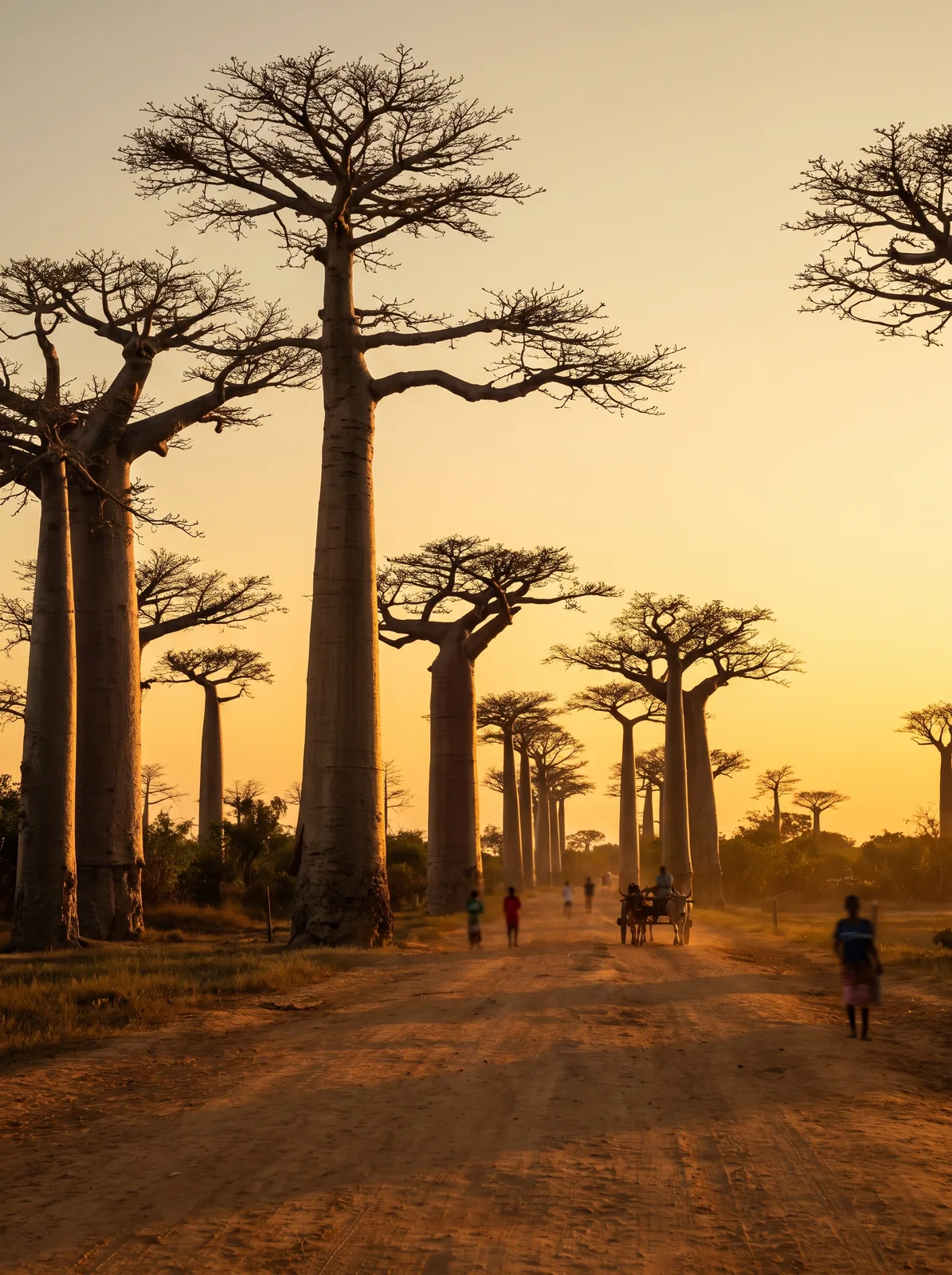
Planning travel health for Madagascar
Madagascar is remote and its healthcare is limited outside Antananarivo, so preparation matters more than for a mainstream destination. We start from your route and season at your South London Clinic consultation.
Malaria
Malaria is present across most of Madagascar, particularly the coastal and lowland areas, and is often genuinely recommended; the highlands around the capital are lower risk. The WHO notes malaria remains a leading cause of illness across sub-Saharan Africa, and we check the TravelHealthPro Madagascar advice against your route, alongside bite avoidance.
The vaccines usually in the conversation
Hepatitis A and typhoid come up for nearly all travellers because both spread through food and water. Rabies is a real consideration for rural travel given limited access to urgent treatment, and hepatitis B for longer stays, plus a routine tetanus, diphtheria, polio and MMR check.
Yellow fever
There is no yellow fever risk in Madagascar itself, but a certificate can be required if you are arriving from or transiting a risk country, which we check for multi-stop African trips.
When to book
Six to eight weeks where possible, given malaria tablets and any courses.
Common questions
Q: Do I need malaria tablets for Madagascar?
A: For most of the island, often yes; the highlands are lower risk. We check your route.
Q: Is rabies a risk in Madagascar?
A: Yes, and with limited treatment access, pre-travel doses are worth discussing for rural trips.
Q: Which vaccines for Madagascar?
A: Hepatitis A and typhoid for nearly all, plus rabies and hepatitis B for longer or rural trips.