Ecuador depends on where you go
Quito and the highlands, the Amazon (Oriente), the Pacific coast and the Galapagos are four different pictures. Where you go and how high shapes what you need, so we start from your itinerary at your South London Clinic consultation.
Yellow fever
Yellow fever is a consideration for the Amazon and eastern lowland areas, and a certificate can matter for onward travel; the highlands, Quito, the main coast and the Galapagos are not risk areas. The TravelHealthPro Ecuador advice sets out where. Yellow fever is only given at a designated centre, so we confirm whether your route needs it and direct you to your nearest one, as South London Clinic is not designated.
Malaria and mosquitoes
Malaria risk is focused on the Amazon and parts of the coastal lowlands rather than the highlands or Galapagos; we check the current advice against your route. Dengue occurs in the lowlands, so daytime bite avoidance matters there.
Altitude
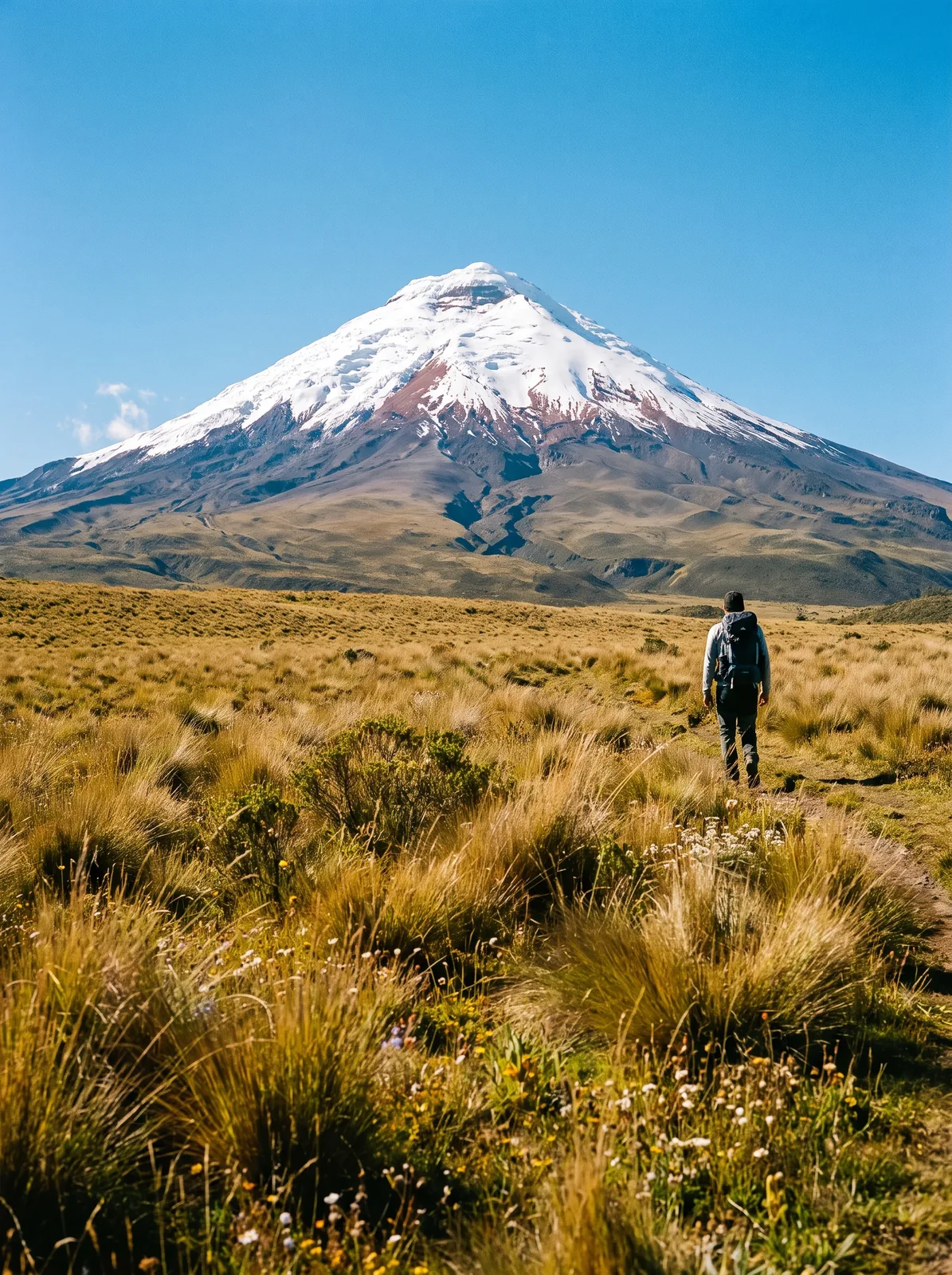
Quito sits at around 2,800 metres and highland routes go higher, so we will also talk through altitude acclimatisation as part of your plan.
The other vaccines
Hepatitis A and typhoid come up for most travellers, with hepatitis B and rabies for longer or rural trips, plus a routine vaccine check.
When to book
Six to eight weeks where possible, given yellow fever at a designated centre and any malaria tablets.
Common questions
Q: Do I need yellow fever for Ecuador?
A: Mainly for the Amazon and eastern lowlands; the highlands, coast and Galapagos are not risk areas. We confirm your route.
Q: Do I need malaria tablets for Ecuador?
A: Mainly for the Amazon and coastal lowlands, not the highlands or Galapagos.
Q: Is altitude a concern?
A: Yes, in Quito and the highlands; we cover acclimatisation.