Planning travel health for Bangladesh
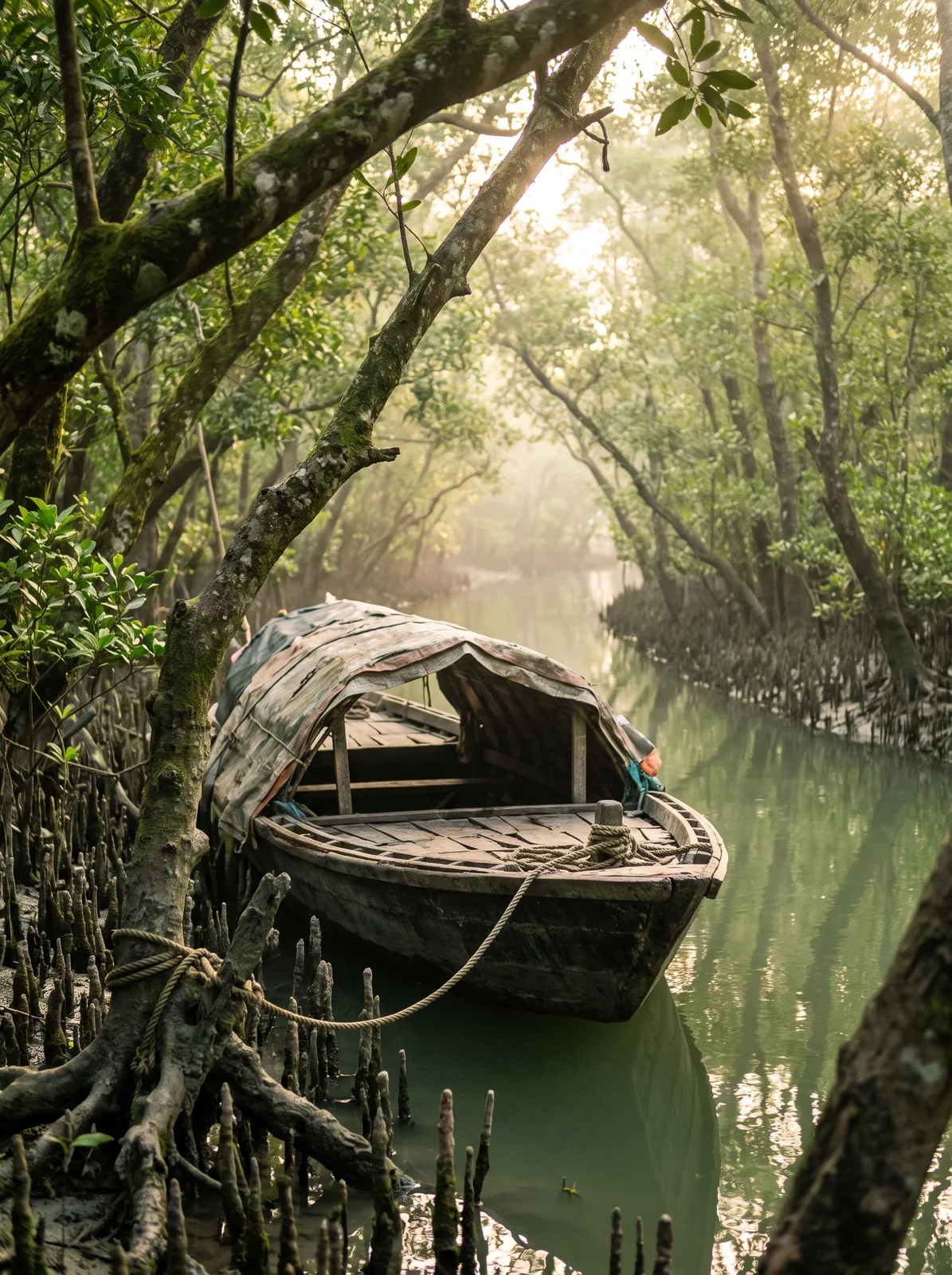
Dhaka, the Sundarbans and the Chittagong Hill Tracts are different pictures, and how you travel and the season shape what you need. We start from your itinerary at your South London Clinic consultation.
The vaccines usually in the conversation
Hepatitis A and typhoid come up for nearly all travellers because both spread through food and water, and the NHS notes typhoid risk is highest in South Asia. Hepatitis B, Japanese encephalitis and rabies come in for longer, rural or repeated trips, plus a routine tetanus, diphtheria, polio and MMR check.
Mosquitoes and malaria
Bangladesh has experienced large dengue outbreaks in recent years, and dengue rises sharply in the monsoon, spread by daytime-biting mosquitoes, so bite avoidance matters. Malaria risk is focused on some rural areas, mainly the Chittagong Hill Tracts, rather than Dhaka; the TravelHealthPro Bangladesh advice sets out where, which we check. Japanese encephalitis is a consideration for longer rural stays.
Rabies
Rabies is present in Bangladesh, so any bite, scratch or lick needs urgent care, and pre-travel doses are worth discussing for longer or rural trips.
When to book
Six to eight weeks ahead where possible so any courses can be completed.
Common questions
Q: Do I need malaria tablets for Bangladesh?
A: Mainly for the Chittagong Hill Tracts and some rural areas, not Dhaka. We check your route.
Q: Which vaccines for Bangladesh?
A: Hepatitis A and typhoid for nearly all, with hepatitis B, Japanese encephalitis and rabies for longer or rural trips.
Q: Is dengue a risk?
A: Yes, with large monsoon outbreaks, so bite protection matters.